
Phosphorus Matters for Cats

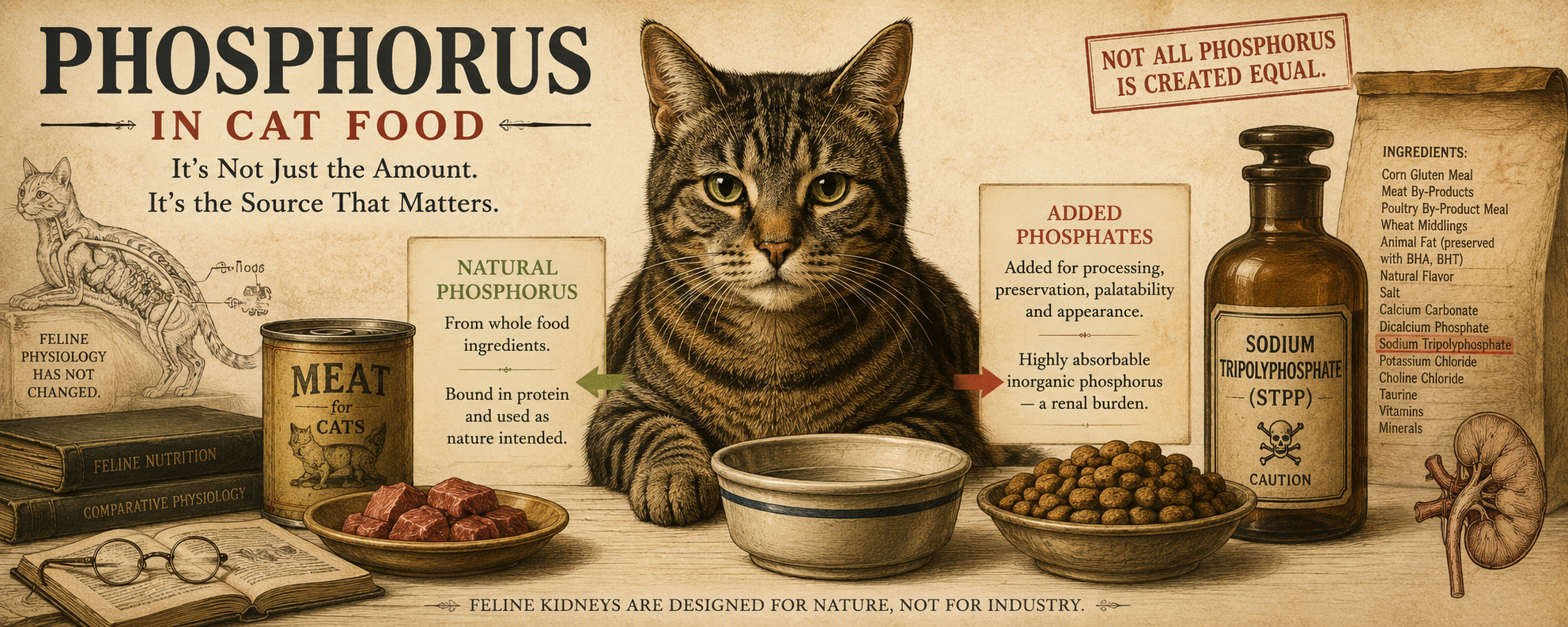
A new upper limit for phosphorus in cat food is about to be implemented. But what does that mean? AAFCO, the Association for American Feed Control Officials, sets nutritional standards for pet food sold in the U.S. Their Nutrient Profiles for dogs and cats set minimums for 40+ nutrients including amino acids, minerals, fats, and vitamins. But very few nutrients have maximums, even though it might be beneficial for certain ingredients that can become toxic in excess. Phosphorus has become a nutrient of concern for cats in the last several ...

2026-05-19T11:46:05-07:00May 19th, 2026|

Consumer Reports giving bad pet advice — again!

For decades, Consumer Reports was THE place to go for product reviews and advice on big purchases. But when they enter the area of pet care, they consistently give very bad advice. Their product-review algorithm simply falls apart when applied to living, breathing beings. Example: "get the cheapest pet food at the cheapest store, there's no difference between that and the high-dollar foods." Well, we know that's absolutely false, and that ingredient quality makes all the difference in your pet's health. Science proves it, experience proves it. Or as they ...

2017-03-23T15:23:05-07:00July 13th, 2011|

Guidelines for Safe Handling of Cats

Cats get less veterinary care than dogs. That's an established fact. A study published in 2008 in the Journal of the American Veterinary Medical Association found that: Cats get significantly less attention and veterinary medical care from their owners than dogs. Dog owners took their pets to a veterinarian more than twice as often as cat owners. Dog owners more often sought vaccinations, physical check-ups and preventive dental care. In households that own both dogs and cats, more than 30% of cats don't see a veterinarian annually, compared with only ...

2017-02-21T18:39:06-07:00June 16th, 2011|

More money, fewer vet visits

The headline read: "Revenue growth can't hide 'alarming' decline in client visits." This news, from the Journal of the American Veterinary Medical Association, went on to note that "Income increased at many pet practices in 2010, but frequency of veterinary visits remains depressed." In other words, fewer guardians took their pets to the vet, but got charged more. This trend is disturbing for several reasons: 1. Fewer animals, especially cats, are getting annual "wellness" checks.  While I don't support yearly vaccine boosters, I still believe that those annual check-ups are ...

2013-09-30T08:05:11-07:00May 22nd, 2011|

Cats-Only Clinics becoming more popular

Cats-only clinics gain in popularity A recent article by Anne Gonzales at the Sacramento Bee (California) discussed the increasing number and popularity of cats-only veterinary clinics. Sacramento veterinarian Irene Fujishima said that offering cats-only care is important, because have different physiology as well as different personalities than dogs. Cat-exclusive clinics are calmer, without the chaos of barking dogs and strange smells. Cats need special handling; tricks that work to calm a dog, like obedience exercises and treats, tend not to work very well with cats. Dr. Elizabeth Colleran, who owns ...

2012-07-03T07:20:33-07:00April 13th, 2011|
Go to Top