About Jean Hofve DVM

This author has not yet filled in any details.
So far Jean Hofve DVM has created 310 blog entries.

New Research on Omega-3s (2026)

You already know Omega-3s are important for cats. For one thing, I keep telling you! Plus, it’s all over the media--more now than ever before. While EPA was the darling for many years, DHA has become the current star of the show. There are a couple reasons for that. First, it is being intensely studied right now, so many more research papers are being reported. But more subtly, I think, is that DHA is easily produced from algae, making it vegan (not that carnivorous cats need a vegan product). Algae ...

2026-05-27T15:58:00-07:00May 27th, 2026|

Phosphorus Matters for Cats

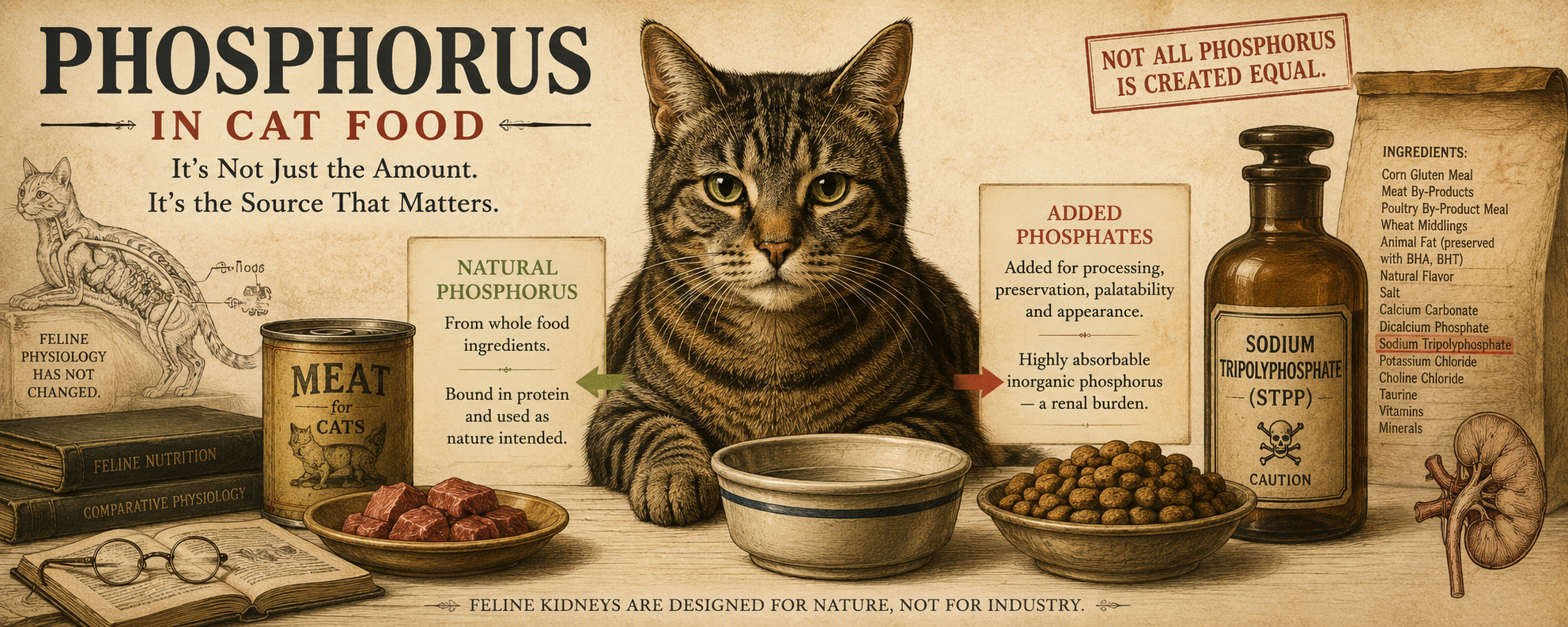
A new upper limit for phosphorus in cat food is about to be implemented. But what does that mean? AAFCO, the Association for American Feed Control Officials, sets nutritional standards for pet food sold in the U.S. Their Nutrient Profiles for dogs and cats set minimums for 40+ nutrients including amino acids, minerals, fats, and vitamins. But very few nutrients have maximums, even though it might be beneficial for certain ingredients that can become toxic in excess. Phosphorus has become a nutrient of concern for cats in the last several ...

2026-05-19T11:46:05-07:00May 19th, 2026|

AI and Pet Food: Useful Tool or False Authority?

Consumers are using artificial Intelligence (AI) in obvious places: diet recommendations, symptom checkers, product comparisons, and “best food” lists. These tools can organize information quickly and summarize options in a way that feels helpful and authoritative. None of this is inherently negative. None of this is inherently negative. These tools are fast and can make research quick and easy. But they also reinforce the idea that nutrition can be precisely modeled, optimized, and controlled based on available data. Where Does AI Get Its Information? AI does not generate knowledge independently. ...

2026-04-30T13:30:26-07:00April 30th, 2026|

Microplastics and Cats

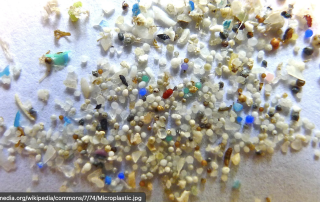
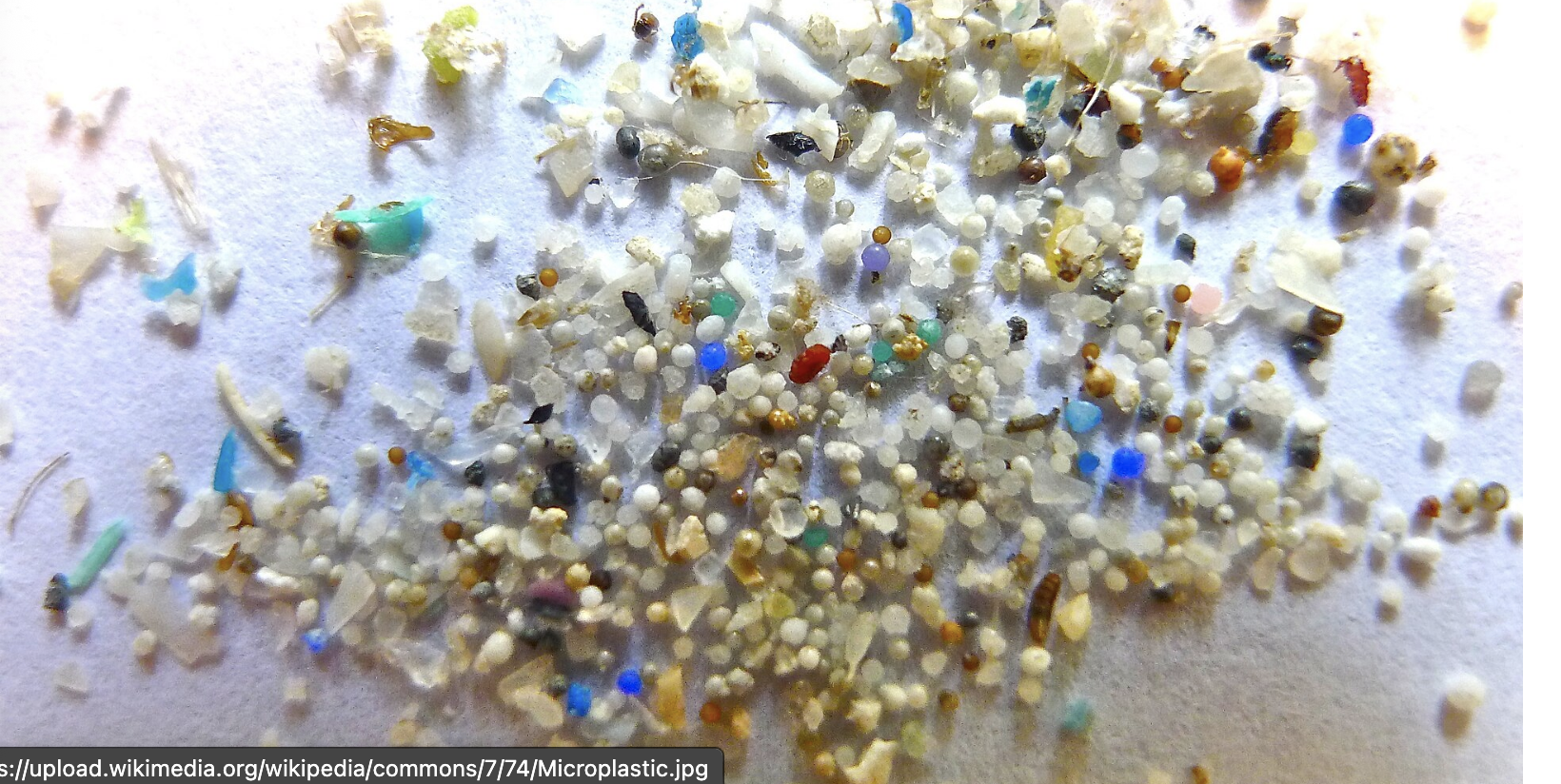
Microplastics are everywhere—water, air, food, and animal tissues. Cats are not exempt. It sounds scary—and it is—but it’s not time to panic. At the same time, it’s not something we should ignore. Where do microplastics come from? Food is one route, especially diets heavy in seafood. Food packaging and storage add to overall exposure. Water is another. Household dust is a big one that people overlook. This matters for cats because they ingest dust during grooming.  Microplastic exposure is multifactorial and cumulative. There is no single major source. Cats Are ...

2026-04-30T10:15:39-07:00April 30th, 2026|

Understanding Your Cat’s Bloodwork

When your veterinarian recommends bloodwork, what does it actually mean? What is a CBC? What does “elevated creatinine” really tell you? How concerned should you be about SDMA, thyroid levels, or glucose spikes? In my new ebook, Understanding Your Cat's Bloodwork, I explain what common laboratory tests measure—and what they don’t. You’ll learn how blood values relate to real disease, how to avoid common misunderstandings, and why lab results must always beinterpreted in context. I wrote this to help you understand the numbers, and not panic over the ones printed in ...

2026-04-02T10:00:30-07:00February 21st, 2026|

The Environmental Cost of Pets

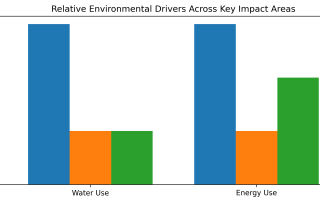
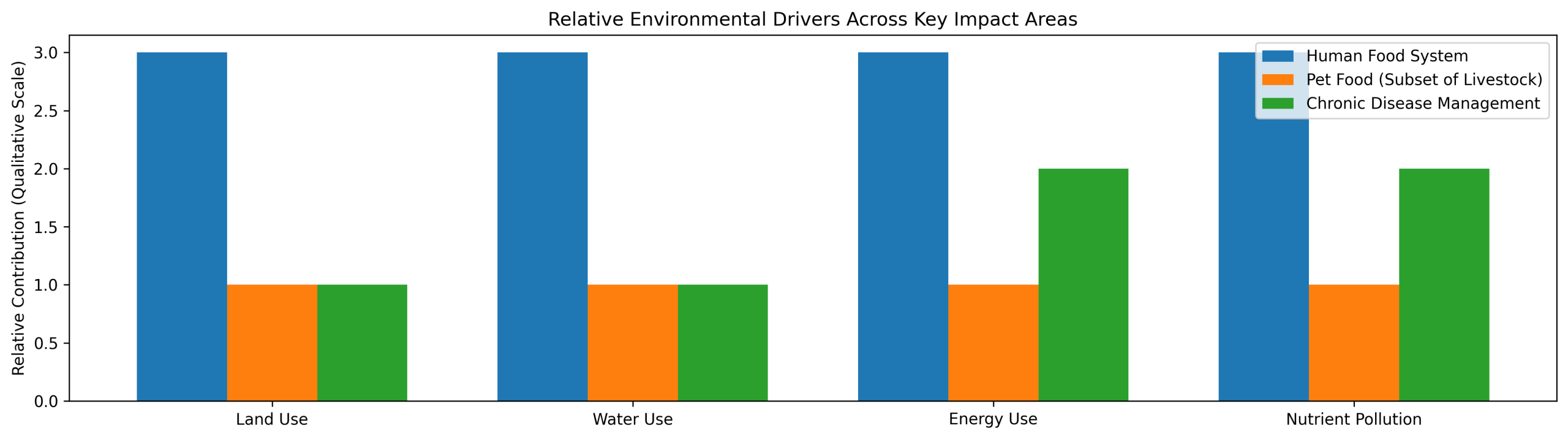
Pets can be environmentally expensive. U.S. dogs and cats consume roughly a third of America’s animal-derived energy. Some analyses have blamed pet food for as much as 25–30% of the environmental impacts from animal production, including land use, water use, fossil fuels, fertilizers, and agricultural chemicals. That sounds alarming—but most estimates are based on theoretical models, not direct measurement. The results depend on how emissions are measured and allocated, and what assumptions the authors rely on. The most frequently cited analyses are also the most unrealistic. Pet food primarily uses ...

2026-02-18T13:06:58-07:00February 18th, 2026|

Feline Infectious Peritonitis (FIP) – 2026 Update

Updated 2/9/26 FIP is a particularly nasty disease—one that causes great confusion and distress. The name itself is misleading; the only absolutely true point about the name is the "feline," since it is not especially infectious, nor is it always peritonitis (inflammation in the abdominal cavity). Unfortunately, the disease is virtually 100% fatal in its active form. As a rule, FIP develops primarily in young cats under 2 years of age, or in older cats age 10 and up. It is fairly rare in the middle years. A study of ...

2026-02-19T12:14:56-07:00February 9th, 2026|

Ask Dr. Jean

The free Little Big Cat newsletter is published every month on Substack. (Subscribe here!) The first week of every month, as a perk for paid subscribers, I answer your burning question about nutrition, supplements, holistic therapies, behavior, or anything related to feline health. The Basic Framework I can’t diagnose, prescribe, or give individualized medical advice for specific cats. My role here is to share my knowledge and experience as general educational information—principles, ideas, and research about feline health, nutrition, and behavior. Anything we discuss here should be considered educational, not a ...

2026-01-30T17:24:04-07:00January 30th, 2026|

Fat Metabolism in Cats

Updated 5/1/26. For years, conversations about weight issues and feline diabetes have centered on carbohydrates. This is not wrong; cats are obligate carnivores that are poorly equipped to manage large glucose loads. High‑starch diets (kibble, some canned diets, and even many raw diets that are too high in carbs) absolutely stress the pancreas and disrupt insulin metabolism. This alone can cause weight gain, insulin resistance, and an increased risk of type 2 diabetes. But it turns out that carbs are not the whole story. There is another factor that receives ...

2026-05-01T12:47:51-07:00January 28th, 2026|

The PURR Act: The Pet Food Industry Should Not Regulate Itself

The pet food industry wants the federal government to let it govern itself. It's not like they've ever killed tens of thousands of pets with dangerous, contaminated food... wait, what? They have? Good grief!

2026-03-07T15:02:58-07:00November 25th, 2025|

BEAM: Clarify Your Pet’s Health Journey

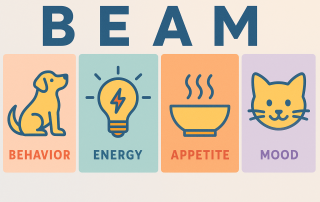
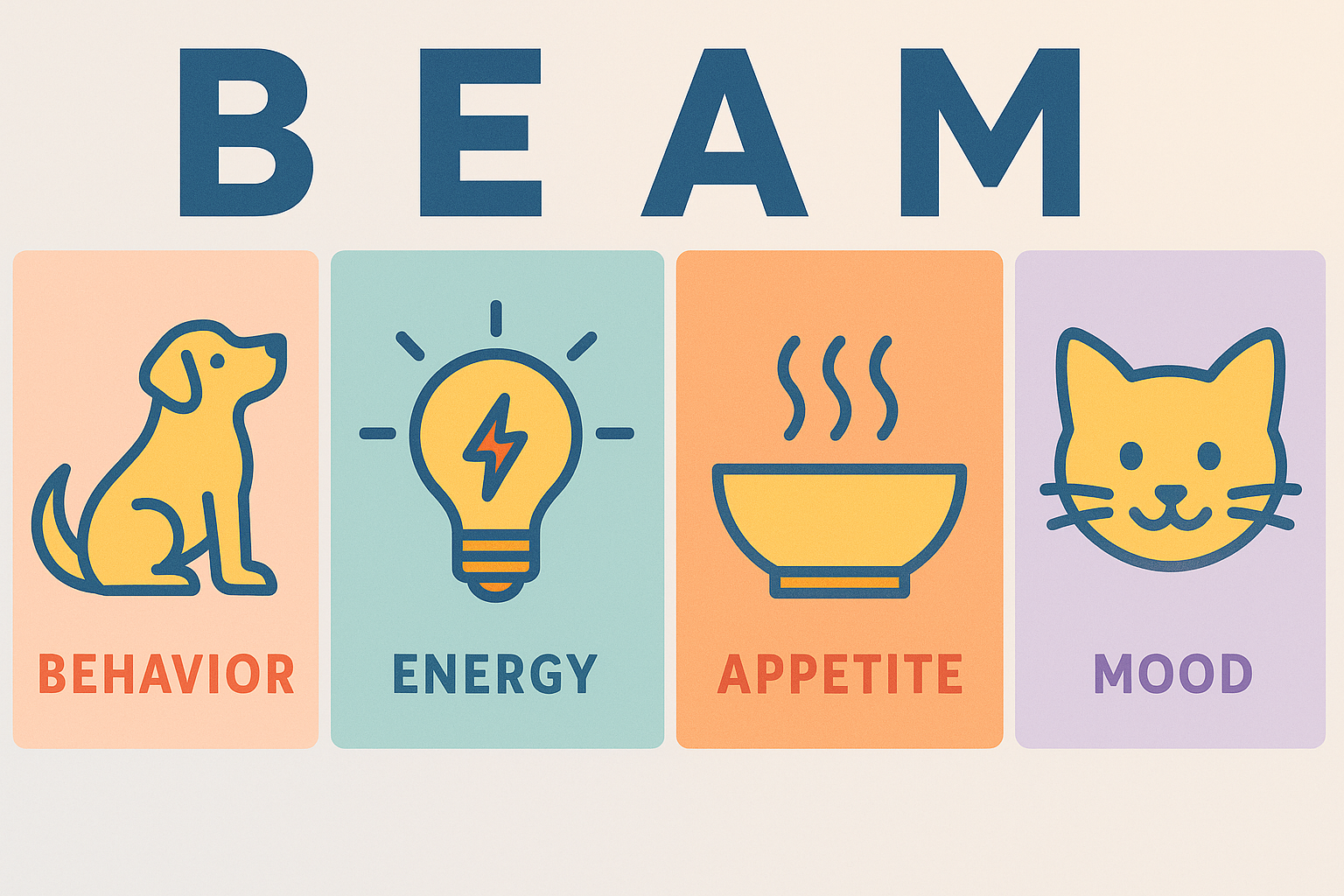
B.E.A.M. stands for Behavior, Energy, Appetite, and Mood, and it gives you a quick, reliable snapshot of your pet’s overall wellbeing. When BEAM looks bright, things are good. When BEAM goes down, something’s off — even if you don’t see an obvious symptom yet. Genetics, Epigenetics, and the Exposome Modern medicine often focuses on genes, as if they are the cause of disease (they’re not). CRISPR-based drugs and genetic editing are the hottest areas of research right now. But genes are not the whole story. DNA is the blueprint that ...

2025-11-26T09:23:16-07:00November 25th, 2025|

Cats and Bird Flu

Updated 11/18/25 Bird flu (avian influenza, H5N1) has gotten a lot of headlines over the last year. If you're a subscriber to our free monthly newsletter, you've read a lot about it. [And if you're not... go here to sign up right now!  littlebigcat.substack.com] 3/3/26 Update: A massive outbreak is currently happening in Pennsylvania. This is of special concern because there are raw pet food manufacturers based in or sourcing from Pennsylvania, including Rebel Raw, Hare Today, BJ's Raw Pet Food, Born Wild Raw Pet Food, and Happy Critter Pet Food. ...

2026-03-04T12:57:42-07:00September 6th, 2025|
Go to Top